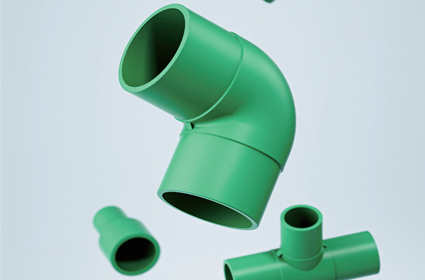
PP-R BF Fittings
PP-R BF fittings are mainly used for transitional connections with metal equipment, valves, or flange interfaces
1. Hot melt end operation (the same as ordinary PP-R)
Use a dedicated hot melt machine with a temperature setting of 260 ℃± 10 ℃ (small diameter). After heating the pipes and fittings, insert them straight into the marked depth without rotation and maintain stability until they cool down.
Heating time reference: DN20 about 5 seconds, DN25 about 7 seconds, DN32 about 8 seconds. During the cooling period, it is strictly prohibited to rotate or apply external force.
2. Flange/threaded end operation (unique to BF fittings)
Flange connection: Before docking, check the sealing surface of the flange for radial scratches or bumps; Use gaskets compatible with the medium; Both sides of the bolt need to be equipped with washers, and the threads need to be lubricated (newly coated bolts can be lubricated without lubrication, reused bolts must be lubricated).
Bolt tightening: PP flanges tend to creep and relax. It is recommended to re tighten the bolts at intervals after initial tightening to maintain the interface stress required for long-term sealing. This is more critical than metal flanges.
Threaded connection: only used for transition with metal threaded parts, avoid excessive material entering the inner wall of the pipeline when winding raw tape or applying sealant.
3. Pressure test
After installation, a hydrostatic test must be conducted. The test pressure for the cold water pipe is 1.5 times the working pressure and not less than 0.6 MPa; The hot water pipe shall be at twice the working pressure and not less than 1.5 MPa. Focus on checking whether there is any leakage on the flange sealing surface and the root of the threaded insert.